
The BARC Method
Blended Approach for Renewal and Change
The BARC Method bridges emotional healing and practical action. It blends psychology, behavior science, and professional dog training into a single process that helps people rebuild confidence, connection, and purpose while training their dogs.
Problem #1: The Mental Health Care Industry
Traditional mental-health systems often focus on symptom management instead of empowerment. Many people living with PTSD, TBI, or anxiety rely on therapy or medication without developing tools to change how they think, act, and respond day-to-day.
How the BARC Method Addresses It
By combining reflection with action-based training, members learn to identify triggers, manage reactions, and transform stress into growth. The method connects cognitive-behavioral and mindfulness practices with structured routines and positive reinforcement to create clarity, stability, and steady progress.
Problem #2: The Service Dog Industry
Many people wait years or spend tens of thousands of dollars for service dogs trained by someone else. That process often removes the handler from the most meaningful part of healing...the bond, trust, and growth built through shared learning.
How the BARC Method Improves It
Through guided self-training, handlers become active participants. This lowers cost, eliminates waitlists, and builds mutual trust. The person gains patience and emotional regulation while the dog learns stability and its human's needs. The shared experience strengthens an unmatched bond and understanding between the dog and its handler.
The Ins and Outs
The BARC Method follows five evolving phases aligned with the stages of behavior change (The Theoretical Model). Each stage supports gradual, realistic progress.
- Foundation: Building awareness, understanding behavior, and creating structure.
- Reborn: Introducing new habits and learning skills that support lasting growth.
- Growth & Change: Strengthening consistency and responding to challenges with calm confidence.
- Application: Putting learned skills into practice in real-world situations.
- Continuation: Maintaining progress, expanding purpose, and mentoring others.
The BARC Loop
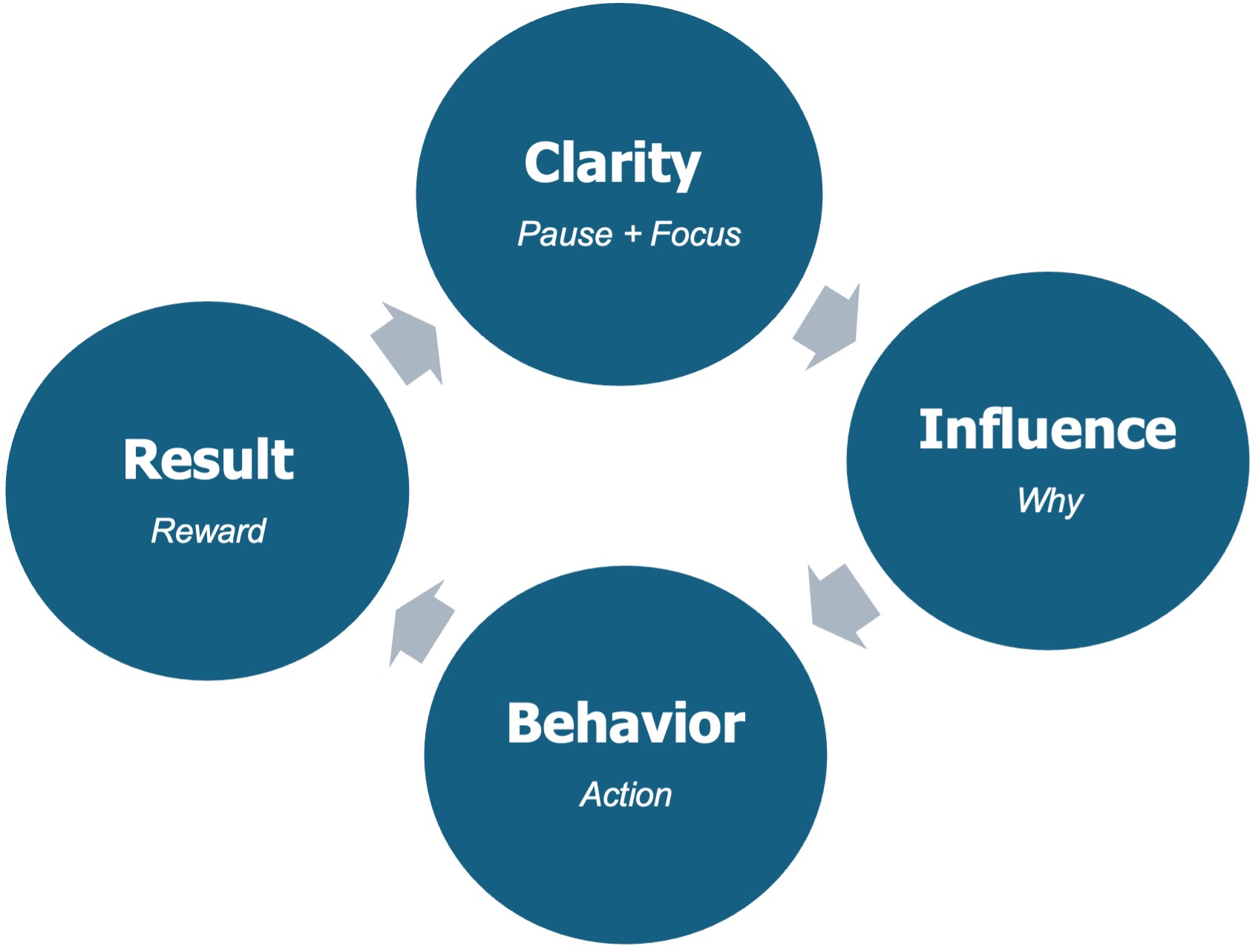 The BARC Loop is the foundation of the method. It teaches members to pause, think, act, and reflect with purpose. Used in both dog training and personal growth, it builds clarity, communication, and resilience by linking thought, action, and result.
Clarity — Pause and Focus: Before reacting, pause to observe emotions, environment, and your dog’s behavior. Awareness replaces impulse.
Influence — Understand the Why: Identify what drives the reaction. In humans it might be fear or belief; in dogs, confusion or stress. Understanding creates empathy and direction.
Behavior — Take Action: Apply calm, intentional behavior that matches your goal. Clear communication and composure guide both human and dog.
Result — Reward and Reflect: Reinforce success, however small. Reflection strengthens confidence and motivation for the next cycle.
Repeated practice turns the loop into instinct — a way of thinking and responding that promotes calm leadership and emotional balance.
The Core Cornerstones
The BARC Method stands on five cornerstones that reflect how both people and dogs learn, adapt, and grow together:
- Positive Reinforcement: Rewarding desired behavior builds confidence, trust, and consistency in both handler and dog.
- Shaping: Progress comes through gradual improvement. Small successes create lasting change when reinforced consistently.
- Routine: Predictability reduces anxiety and fosters stability for human and dog alike.
- Health and Welfare: Balanced physical, emotional, and mental health sustain long-term success.
- Clear Communication: Calm, consistent communication leads to understanding and trust.
Invisible Wounds
Invisible wounds are the psychological and emotional injuries that don’t leave visible scars but impact nearly every part of a person’s life. They're the hidden symptoms caused by conditions like post-traumatic stress, traumatic brain injury, depression, anxiety, and moral injury. Unlike a broken bone, these wounds can’t be seen, but they can shape how we think, feel, and respond to the world.
They may come from trauma, first responder service, abuse, sudden loss, or life events that overwhelm our ability to cope. A lot of times the hardest part isn’t the event itself, it's the aftermath. The sleepless nights, hypervigilance, emotional numbing, guilt, or feeling detached from the person they once were. Invisible wounds make people feel stuck between who they used to be and who they’re trying to become.
The BARC Method recognizes that healing isn’t about erasing the past; it’s about retraining the mind to find calm, purpose, and control again. Through structure, reflection, and the relationship with a dog, members can create a new outlook on life.
Personal Agency
Personal agency is the belief that you have the power to influence your own life. It's believing that your choices, thoughts, and actions matter. When someone is provided a solution only to treat a symptom, there's no sense of personal agency. It's nothing more than a bandaid because the individual who's suffering is left with no follow-up or plan of action.
The BARC Method strengthens personal agency by teaching members to pause, plan, and act with purpose. Each loop of Clarity → Influence → Behavior → Result builds self-trust. The process shifts focus from “what’s wrong with me” to “what can I do next.” Over time, this mindset turns small daily wins into proof that change is possible.
By mirroring the learning and progress of their dogs, members rediscover their own capacity to lead, decide, and grow. The BARC Method doesn’t give people control over everything that happens to them, but it gives them control over how they respond. That’s where transformation begins.
Who the BARC Method Helps
The BARC Method benefits individuals and families seeking structure, confidence, and connection through partnership with a dog.
- Individuals Living with Invisible Wounds: Learn to manage emotions, rebuild purpose, and train a supportive companion.
- Companion Dog Owners: Strengthen the bond and create calm, predictable routines at home.
- Parents and Loved Ones: Gain tools to support family members through calm communication and consistency.
- Those Who Already Have a Service Dog: Maintain teamwork, refine training, and continue growth.
- Therapists and Professionals: Apply BARC principles within trauma-informed care and behavioral coaching.
 and then